Make A Chocolate AI Judge Scoring Tips That Actually Move %
Practical plate habits for higher accuracy scores — without scripts, shock content, or wasted polish time.
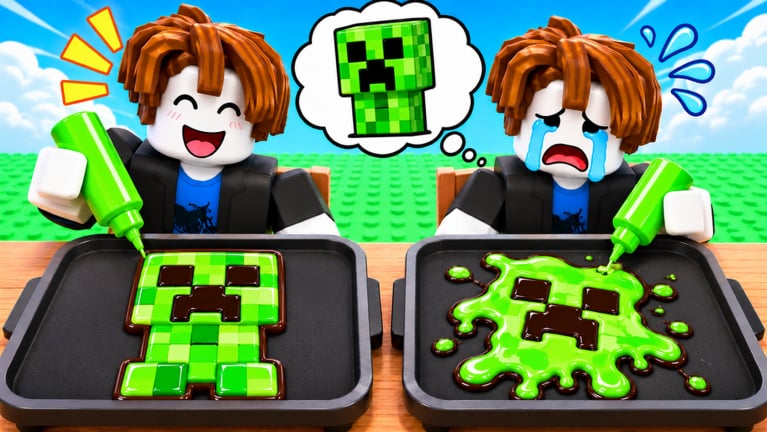
The AI judge is the scoreboard in Make A Chocolate. Human vibes do not pay cosmetics — accuracy percentage does. This page digs into how to sculpt chocolate art that reads as the prompt, survives the timer, and wins money more often. Use it beside How to Win, Strategies, and the softer skills on the Players Hub.
Think like a classifier, not a gallery critic
Automated judges tend to reward recognizable structure aligned with prompt language. That usually means:
- The main subject is large enough to dominate the plate.
- Parts are separated enough to parse.
- Named attributes appear (hat, wings, number of items).
- Extraneous shapes do not invent a second subject.
A plate that looks “cool” but ambiguous will lose to a simpler, correct read. Stop asking “is this pretty?” Mid-round ask “would a stranger name the prompt subject from this chocolate alone?”
Prompt triage in the first seconds
- Identify the head noun (what the thing is).
- Note count words (two, many, pair).
- Note modifiers (melted, royal, tiny, broken).
- Note actions or poses if present (running, sitting, sliced).
- Decide which two details you will definitely include if time dies early.
Write those two details in mental ink. Everything else is optional. This triage alone separates mid scores from high scores more often than fancy texturing.
Silhouette first, always
Block mass before decoration:
- Establish height and width of the main body.
- Place distinctive protrusions (ears, handle, spout, tail) early so they are not forgotten.
- Step the camera in your mind: if the outline already says the noun, you are safe to detail.
Players who start with eyes, logos, or lace edges reverse the pipeline and run out of time with a mushy body. Silhouette fidelity is S-tier on the strategies list for a reason.
Contrast, gaps, and melting hazards
Chocolate media encourages blobs. Fight the blob:
- Carve negative space under arms, between legs, or inside handles.
- Avoid stacking unrelated props that hide the subject.
- If the prompt wants “melted,” melt edges of a still-readable form, not the entire identity into pudding.
Readable mess beats illegible realism. The judge cannot award accuracy it cannot parse.
Timing bands that protect scores
Split a typical round into bands (adjust to the live timer):
- Band A — prompt triage + big mass.
- Band B — distinctive parts named by the prompt.
- Band C — edge cleanup and one signature detail.
- Band D — stop. Do not gild.
Most accuracy crashes happen in an unplanned Band D where players smear a finished silhouette. Practice stopping. An early stop on a correct form often beats a late “improvement.”
Common accuracy killers
- Sculpting your favorite animal regardless of prompt.
- Tiny subjects lost in plate space.
- Overlapping duplicates when the prompt asked for one.
- Text or memes unrelated to the words given.
- Inappropriate content — also a permanent ban risk, not merely a low score.
- Chasing scripts: the Scripts Hub lists no verified public tools; see Executor Safety.
Learning loop after each reveal
When the percentage appears, classify the miss:
- Subject miss — triage failed; drill nouns next round.
- Proportion miss — silhouette drill; enlarge distinctive parts sooner.
- Parse miss — add gaps and simplify.
- Panic miss — enforce an earlier stop.
Log three rounds of notes. Patterns appear quickly. Then spend earned money using the Cosmetics Tier List instead of rage-buying clutter.
Social pressure versus score focus
Opponents may emote, flex, or chat mid-wait. Treat that as noise. Accuracy is single-player craft inside a 1v1 frame. Etiquette keeps lobbies alive — covered on the Players hub — but your percentage only moves when the plate matches the prompt.
If a lobby turns into ban-bait art, leave. No scoring tip recovers a banned account.
Practice drills (fair play only)
- Noun only night — ten rounds where you refuse all detail beyond silhouette.
- Two-detail night — allow only the two triage details you pre-committed.
- Early stop night — force finish with 20% timer left; compare scores.
- Modifier night — prompts with melted/broken/tiny; practice readable extremes.
Warm up from Getting Started if controls lag your ideas. Track meta shifts on Updates and Patch Notes when the judge or timers change.
Progression around scoring
Higher accuracy → more wins → more money → better cosmetics. That is the entire economy. Codes may appear later (Codes), but skill compounds daily. Confirm official place info via Official Links and keep browsing the Guides Hub plus parent Tier List for adjacent advice.
Score like the AI is literal, because it is. Clear chocolate subjects win Make A Chocolate; everything else is decoration you earn the right to add.
Frequently Asked Questions
Quick answers for Make A Chocolate players.
What raises AI accuracy the most?
Prompt fidelity through a large, readable silhouette that includes the named subject and its key modifiers before you add optional detail.
Why do detailed plates sometimes score lower?
Late detail can smear structure or invent extra subjects. The judge needs a parseable form more than ornate texture.
Can inappropriate art ever be high scoring?
Do not try. Beyond poor sportsmanship, Make A Chocolate warns that inappropriate artwork may result in a permanent ban.
Will scripts fix my accuracy?
No verified public scripts for this game are listed here, and executors risk malware and account loss. Practice triage and silhouettes instead.